
Akashic’s story
Your health record should belong to you
Why we built Akashic, how it works, and why it is arriving now.
Today, your medical history is scattered across every clinic, hospital and specialist you have ever seen. Each one keeps its own copy, in its own system, behind its own login. When you see someone new, you start over: the same forms, the same questions, the same records requests, the same waiting.
Akashic starts from a different place. One person. One record. For life. The record follows you, not the building you happened to be treated in.
Why
Information about a person should belong to that person. That belief is older than Akashic, and it runs through the best of the early internet: information is most valuable when the people it describes can reach it, carry it and share it on their own terms.
Healthcare kept moving the other way. Records became something organizations hold, and patients request. Practices pay for systems that take months to configure and certified staff to operate. Patients chase their own history across portals that do not talk to each other.
We think that is backwards. So Akashic is built so that organizations take part in your care; they never own your record. A practice sees what you have agreed to share, for as long as you are in its care. You can see who has looked, and nothing in your history is ever quietly erased. Corrections and removals are archived and recorded, so the story stays honest.
How
For patients
- Bring your records home. Create a free account and connect the patient portals you already use, starting with Epic and athenahealth, to pull your records into one place. You do not need a doctor or hospital on Akashic to do it.
- Share on your terms. At your next visit, share your history with the practice directly, instead of filling in the same forms again. You choose what is shared, and you can end it.
- Bring the people who help you. Family members and caregivers can be given their own access, with limits you set.
For practices
- No custom build. Scheduling, intake, questionnaires, messaging, video visits, tasks and records work out of the box. Specialty changes the coding and presentation, not the system.
- No certification course. Your front desk and clinicians can learn it in an afternoon, not a semester.
- Work alongside what you already use. Akashic speaks FHIR, the healthcare data standard required by federal law, so it connects to the systems around you instead of walling you off from them.
- Collaborate across practices. Send referrals, request records and invite outside clinicians into a shared care team around a patient, with that patient's consent.
Under the hood
Akashic stores records in FHIR R4, the standard data model now required for patient access across US healthcare. It runs on HIPAA-eligible AWS services covered by a business associate agreement. Every request is checked on our servers against the patient's consent and the person's role. What you see on screen never decides what you are allowed to see.
When, and why now
The idea is not new to us. We wrote the first code for it in 2018. In 2019, at a regional health technology conference, the keynote speakers described exactly what was missing: consumer-directed exchange, where a patient holds the key to their own record, for as long as they choose. We had been trying to build it for years. Two things were still missing.
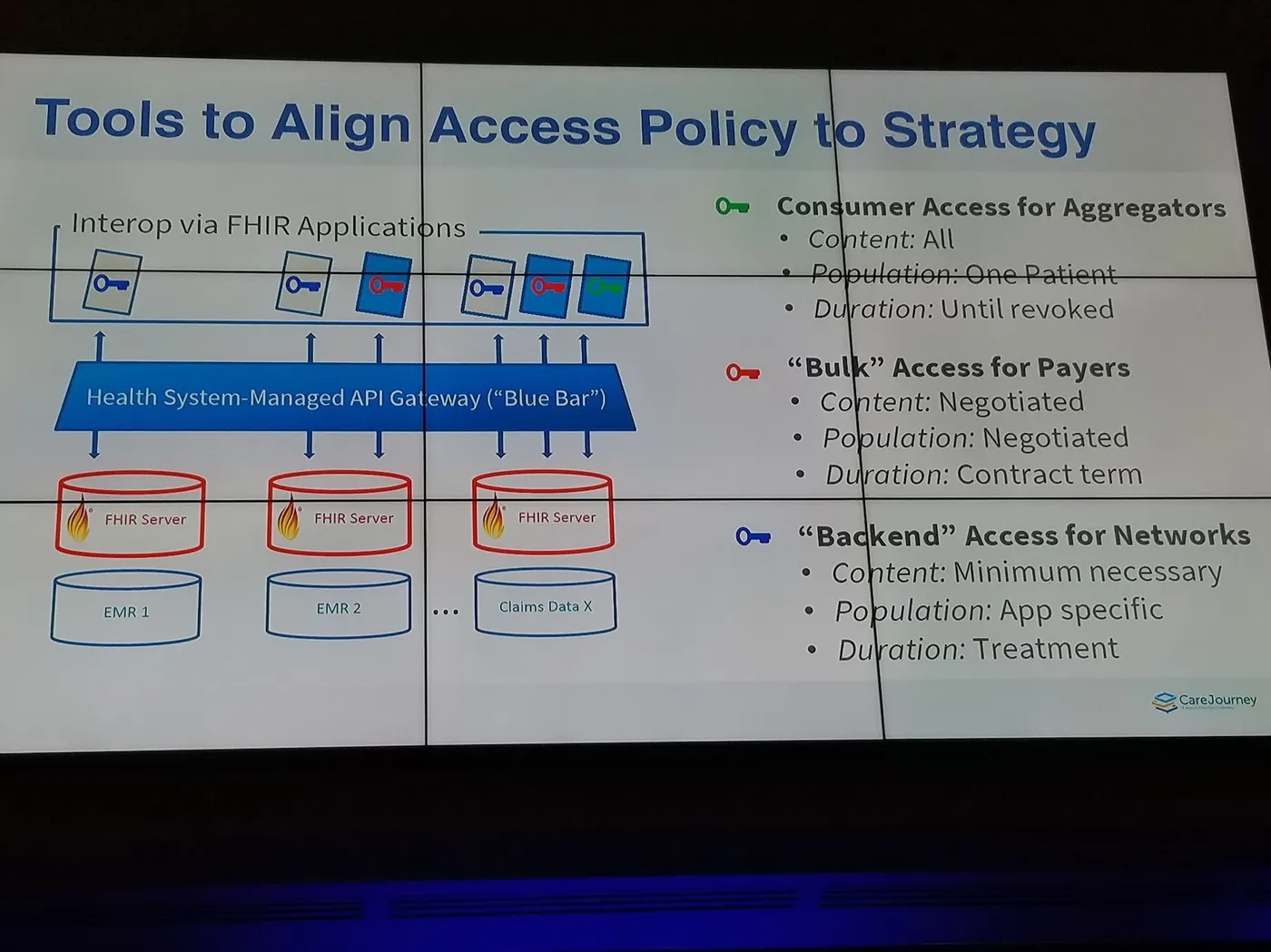
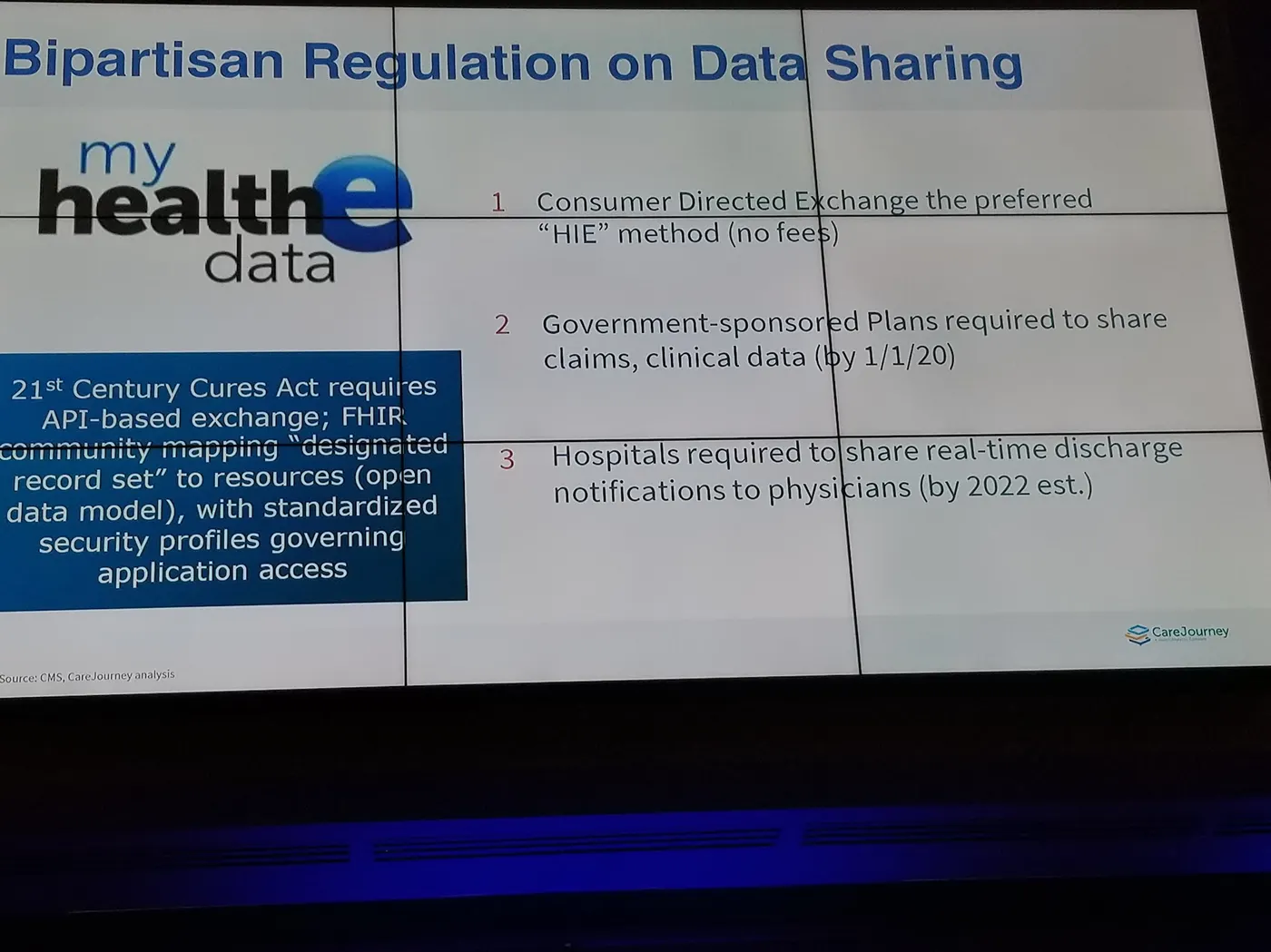
- A settled data standard. Without one common model for health data, a lifelong record has nothing to stand on. FHIR has since matured, and federal law now requires it for patient access.
- Real-time connection under HIPAA. Live messaging and video between patients and care teams needed infrastructure that could carry protected health information safely. That arrived only a few years ago.
The law changed too. The 21st Century Cures Act made patient access to health data through standard APIs a requirement, not a favor. The rules that once kept records locked away now require that patients be able to take them.
With those pieces in place, we began building the full platform. An early release is available today for practices and partners to explore.
Who
Akashic is built by Code Monkeys LLC, a software company in Wisconsin. We are the team behind HIPAA Forms, which already serves more than a thousand healthcare organizations with encrypted forms for their websites.
Akashic is independently funded and answers to no outside investors. That is deliberate. A record that belongs to the patient has to be built by a company that can keep that promise.
Patient centered. Connected healthcare.
See what Akashic does for patients or see what it does for practices.